
Psychological Assessments

Stanford-Binet Intelligence Scales, Fifth Edition (SB5)
A specialized digital application for administering the Stanford-Binet Intelligence Scales, Fifth Edition (SB5), to assess general intelligence and cognitive abilities across five factors: Fluid Reasoning, Knowledge, Quantitative Reasoning, Visual-Spatial Processing, and Working Memory. Each factor includes verbal and nonverbal tasks. The application supports both Arabic and English, organizes administration procedures according to the scale's rules—including entry, discontinue, reversal, basal, and ceiling rules—and automatically calculates standard and composite scores to generate a professional report that can be saved and printed upon completion.
- ✓ Assessment of general intelligence and cognitive abilities
- ✓ evaluation of five cognitive factors using verbal and nonverbal tasks
- ✓ Arabic and English language support
Rorschach Inkblot Test – Klopfer Scoring System
A specialized application for organizing and administering the Rorschach Inkblot Test using the Klopfer scoring system. This projective assessment method examines an individual's responses to ambiguous visual stimuli to explore perceptual patterns, organization of experience, and psychological responses. The test consists of ten inkblot cards, and the application supports structured recording and organization of responses within the assessment workflow.
- ✓ Structured Rorschach test administration
- ✓ support for the Klopfer scoring system
- ✓ recording of examinee responses

Developed Holland Career Interest Assessment – Verbal and Nonverbal Domains
The Developed Holland Career Interest Assessment is designed to explore career interests and identify occupational and educational fields that may align with an individual's preferences. It is based on Holland's six RIASEC personality-interest types and combines a verbal assessment covering activities, competencies, occupations, and self-evaluation with a nonverbal assessment using work-related images. The integrated report presents the Holland code, prominent interests, preferred career areas, suggested educational specializations, and recommendations for the examiner.
- ✓ Career interest assessment based on the six Holland RIASEC types
- ✓ Combined verbal and nonverbal assessment
- ✓ Evaluation of activities competencies and occupational preferences
Childhood Autism Rating Scale, Second Edition – High-Functioning Version (CARS-2-HF)
A digital assessment program designed to support the administration and organization of the CARS-2-HF, the high-functioning version of the Childhood Autism Rating Scale, Second Edition. It is intended to help qualified professionals evaluate autism-related characteristics in verbally fluent individuals with average or above-average intellectual abilities. The program supports the organization of clinical ratings and interpretation of findings alongside direct observation and relevant developmental and behavioral information.
- ✓ Support for the CARS-2-HF assessment version
- ✓ Organization of clinical ratings
- ✓ Evaluation of autism-related characteristics
Childhood Autism Rating Scale, Second Edition – Standard Version (CARS-2-ST)
A clinical assessment tool designed to evaluate behavioral characteristics associated with Autism Spectrum Disorder in children across a range of developmental, behavioral, and communication domains. The CARS-2-ST supports structured assessment of autism-related characteristics and helps determine the level of clinical concern that may warrant further specialized evaluation.
- ✓ Assessment of autism-related characteristics
- ✓ evaluation of behavioral communication and developmental domains
- ✓ support for structured clinical assessment

Adjustment Disorder – New Module 20 (ADNM-20)
A screening tool designed to assess symptoms of Adjustment Disorder related to stressful life events and significant life changes, helping identify symptom severity and their impact on the individual.
- ✓ Assessment of Adjustment Disorder symptoms
- ✓ evaluation of stress-related symptom severity
- ✓ structured results to support psychological assessment.
Child Behavior Checklist for Ages 6–18 (CBCL/6–18)
The Child Behavior Checklist for Ages 6–18 (CBCL/6–18) is part of the Achenbach System of Empirically Based Assessment (ASEBA), developed by Thomas M. Achenbach at the University of Vermont. It is completed by a parent or another adult who knows the child well and provides information about the child's competencies and emotional and behavioral problems over the previous six months. The checklist includes 113 problem items rated on a three-point scale, as well as sections addressing activities, social functioning, and school performance, alongside open-ended questions about concerns and strengths. Results are interpreted using age- and sex-appropriate norms associated with the authorized version.
- ✓ Assessment of emotional and behavioral problems in children
- ✓ Parent and caregiver reporting
- ✓ Evaluation of competencies and social and school functioning
World Health Organization Disability Assessment Schedule 2.0 (WHODAS 2.0)
A comprehensive assessment tool for evaluating functioning and disability across multiple areas of life, including understanding and communicating, mobility, self-care, getting along with people, life activities, and participation in society.
- ✓ Assessment of functioning and disability
- ✓ measurement of difficulties across different life domains
- ✓ support for clinical assessment and monitoring of functional changes
Borderline Personality Traits Scale — DSM-5-TR · PID-5
An assessment tool for evaluating personality traits associated with the borderline pattern within the DSM-5-TR dimensional framework of pathological personality traits, supporting the exploration of related emotional, behavioral, and interpersonal characteristics.
- ✓ Assessment of borderline-related personality traits
- ✓ exploration of emotional behavioral and personality characteristics
- ✓ support for specialized clinical assessment
Gilliam Autism Rating Scale – Third Edition (GARS-3)
A specialized digital program for administering the Gilliam Autism Rating Scale – Third Edition (GARS-3), helping psychological and clinical professionals conduct the assessment systematically, calculate standard scores, percentile ranks, and the Autism Index, and generate a comprehensive clinical report that can be saved and printed within a bilingual Arabic-English environment.
- ✓ Digital GARS-3 administration
- ✓ calculation of standard scores and percentile ranks
- ✓ Autism Index calculation
Conners' Parent Rating Scale – Revised: Long Form (CPRS-R)
A parent- or caregiver-report psychological and behavioral assessment tool used to evaluate a range of emotional and behavioral difficulties in children and adolescents, with particular focus on symptoms and characteristics associated with Attention-Deficit/Hyperactivity Disorder (ADHD) and related difficulties. The long form consists of 80 items, is intended for ages 3 to 17, and typically takes approximately 20 minutes to complete.
- ✓ Assessment of emotional and behavioral difficulties in children and adolescents
- ✓ support for ADHD symptom assessment
- ✓ parent or caregiver-based reporting
Conners' Adult ADHD Rating Scale (CAARS)
A standardized psychological assessment tool for evaluating symptoms of Attention-Deficit/Hyperactivity Disorder (ADHD) in adults aged 18 years and older. It provides a structured assessment of ADHD-related symptoms and characteristics using 66 items rated on a four-point scale. Raw scores are converted into T-scores based on gender and age group across eight subscales, with an additional inconsistency index.
- ✓ Assessment of ADHD symptoms in adults
- ✓ evaluation across eight subscales
- ✓ conversion of raw scores to T-scores

Vineland Social Maturity Scale – Interactive Digital Version
An interactive digital version of the Vineland Social Maturity Scale designed to help qualified professionals administer the assessment, score results, and organize findings without relying on traditional paper-based procedures. The program supports immediate generation of professional reports, secure organization of examinee records, and convenient access to previous assessment data to support follow-up and ongoing evaluation.
- ✓ Interactive digital assessment workflow
- ✓ Organized scoring and results calculation
- ✓ Instant professional report generation
Digital Mental Status Examination — MSE
An interactive digital program for conducting the Mental Status Examination (MSE), helping psychologists and physicians systematically assess the individual's current clinical mental state across 16 clinical domains, with an automated comprehensive report including visual charts and clinical interpretation for each domain.
- ✓ Assessment of 16 clinical domains
- ✓ interactive digital Mental Status Examination
- ✓ comprehensive automated clinical report

Mini-Mental State Examination (MMSE)
A standardized clinical screening tool for the rapid assessment of basic cognitive functions, including orientation, attention and concentration, memory, calculation, language, comprehension and following commands, and visuospatial abilities. It is administered individually by a trained examiner, who records responses and calculates the total score to estimate the individual's level of cognitive performance.
- ✓ Rapid screening of basic cognitive functions
- ✓ assessment of orientation attention and memory
- ✓ assessment of language comprehension and calculation
Beck Depression Inventory (BDI)
A clinical assessment tool for evaluating the severity of depressive symptoms in adolescents and adults, covering emotional, cognitive, and physical manifestations associated with depression. The inventory supports symptom severity assessment and monitoring of changes over time.
- ✓ Assessment of depressive symptom severity
- ✓ evaluation of emotional cognitive and physical symptoms
- ✓ support for clinical assessment
Minnesota Multiphasic Personality Inventory – Form R, 566 Items (MMPI-1)
A digital application for administering and scoring the Arabic Form R of the Minnesota Multiphasic Personality Inventory (MMPI-1), consisting of 566 true/false items. The assessment supports clinical personality evaluation through validity indicators and clinical scales. The program organizes responses and supports the calculation of omitted-item indicators, the L, F, and K validity scales, and the ten clinical scales according to the authorized version's scoring keys and norms. It also supports psychological profile presentation and structured interpretive report generation, with Word and PDF export where available.
- ✓ Interactive administration of 566 items
- ✓ Yes/No response management
- ✓ Omitted-item indicator calculation
Minnesota Multiphasic Personality Inventory – Short Form (MMPI-1 mini)
A digital application of the short-form Minnesota Multiphasic Personality Inventory (MMPI-1 mini), designed to support the assessment of personality patterns and psychological indicators using fewer items than the full-length form. According to the program description, the shorter administration typically takes around 10–15 minutes. Results are organized to help qualified professionals review and interpret the psychological profile according to the norms and scoring procedures of the specific version.
- ✓ Short-form assessment workflow
- ✓ Reduced administration time
- ✓ Organized response recording
Learning Disabilities Diagnostic Rating Scale (LDDRS)
A comprehensive assessment tool for developmental and academic learning difficulties, designed to evaluate indicators associated with learning disabilities across nine subscales. It supports structured assessment and helps identify areas that may require further clinical and educational evaluation.
- ✓ Assessment of developmental and academic learning difficulties
- ✓ evaluation across nine subscales
- ✓ identification of areas requiring further assessment

Adult Separation Anxiety Questionnaire – ASA-27
A screening tool designed to assess separation anxiety symptoms in adults, including fears and distress associated with separation from significant people or places that provide a sense of security.
- ✓ Assessment of adult separation anxiety
- ✓ measurement of symptom severity
- ✓ support for psychological and clinical assessment.

Developed Holland Career Interest Assessment – Verbal and Nonverbal Domains
The Developed Holland Career Interest Assessment is designed to explore career interests and identify occupational and educational fields that may align with an individual's preferences. It is based on Holland's six RIASEC personality-interest types and combines a verbal assessment covering activities, competencies, occupations, and self-evaluation with a nonverbal assessment using work-related images. The integrated report presents the Holland code, prominent interests, preferred career areas, suggested educational specializations, and recommendations for the examiner.
- ✓ Career interest assessment based on the six Holland RIASEC types
- ✓ Combined verbal and nonverbal assessment
- ✓ Evaluation of activities competencies and occupational preferences
Minnesota Multiphasic Personality Inventory – Form R, 566 Items (MMPI-1)
A digital application for administering and scoring the Arabic Form R of the Minnesota Multiphasic Personality Inventory (MMPI-1), consisting of 566 true/false items. The assessment supports clinical personality evaluation through validity indicators and clinical scales.
- ✓ Interactive administration of 566 items
- ✓ Yes/No response management
- ✓ Omitted-item indicator calculation

Vineland Social Maturity Scale – Interactive Digital Version
An interactive digital version of the Vineland Social Maturity Scale designed to help qualified professionals administer the assessment, score results, and organize findings without relying on traditional paper-based procedures. The program supports immediate generation of professional reports, secure organization of examinee records, and convenient access to previous assessment data to support follow-up and ongoing evaluation.
- ✓ Interactive digital assessment workflow
- ✓ Organized scoring and results calculation
- ✓ Instant professional report generation
Childhood Autism Rating Scale, Second Edition – High-Functioning Version (CARS-2-HF)
A digital assessment program designed to support the administration and organization of the CARS-2-HF, the high-functioning version of the Childhood Autism Rating Scale, Second Edition. It is intended to help qualified professionals evaluate autism-related characteristics in verbally fluent individuals with average or above-average intellectual abilities. The program supports the organization of clinical ratings and interpretation of findings alongside direct observation and relevant developmental and behavioral information.
- ✓ Support for the CARS-2-HF assessment version
- ✓ Organization of clinical ratings
- ✓ Evaluation of autism-related characteristics
Childhood Autism Rating Scale, Second Edition – Standard Version (CARS-2-ST)
A clinical assessment tool designed to evaluate behavioral characteristics associated with Autism Spectrum Disorder in children across a range of developmental, behavioral, and communication domains. The CARS-2-ST supports structured assessment of autism-related characteristics and helps determine the level of clinical concern that may warrant further specialized evaluation.
- ✓ Assessment of autism-related characteristics
- ✓ evaluation of behavioral communication and developmental domains
- ✓ support for structured clinical assessment
Conners' Parent Rating Scale – Revised: Long Form (CPRS-R)
A parent- or caregiver-report psychological and behavioral assessment tool used to evaluate a range of emotional and behavioral difficulties in children and adolescents, with particular focus on symptoms and characteristics associated with Attention-Deficit/Hyperactivity Disorder (ADHD) and related difficulties. The long form consists of 80 items, is intended for ages 3 to 17, and typically takes approximately 20 minutes to complete.
- ✓ Assessment of emotional and behavioral difficulties in children and adolescents
- ✓ support for ADHD symptom assessment
- ✓ parent or caregiver-based reporting
Conners' Adult ADHD Rating Scale (CAARS)
A standardized psychological assessment tool for evaluating symptoms of Attention-Deficit/Hyperactivity Disorder (ADHD) in adults aged 18 years and older. It provides a structured assessment of ADHD-related symptoms and characteristics using 66 items rated on a four-point scale. Raw scores are converted into T-scores based on gender and age group across eight subscales, with an additional inconsistency index.
- ✓ Assessment of ADHD symptoms in adults
- ✓ evaluation across eight subscales
- ✓ conversion of raw scores to T-scores
Minnesota Multiphasic Personality Inventory – Short Form (MMPI-1 mini)
A digital application of the short-form Minnesota Multiphasic Personality Inventory (MMPI-1 mini), designed to support the assessment of personality patterns and psychological indicators using fewer items than the full-length form. According to the program description, the shorter administration typically takes around 10–15 minutes. Results are organized to help qualified professionals review and interpret the psychological profile according to the norms and scoring procedures of the specific version.
- ✓ Short-form assessment workflow
- ✓ Reduced administration time
- ✓ Organized response recording
Structured Clinical Interview for DSM-5 Personality Disorders (SCID-5-PD)
A digital program designed to support the administration and organization of the Structured Clinical Interview for DSM-5 Personality Disorders (SCID-5-PD). It helps qualified professionals systematically document information about personality patterns, symptoms, and behaviors in alignment with the DSM-5 diagnostic framework. The interview supports structured clinical evaluation while considering the individual's psychological and social history, the persistence of behavioral patterns across situations, and their impact on daily functioning and relationships.
- ✓ Structured personality disorder interview workflow
- ✓ Documentation of responses and clinical observations
- ✓ Organization of information aligned with DSM-5 criteria
Structured Clinical Interview for DSM-5 Personality Disorders – Self-Report Screening Questionnaire (SCID-5-SPQ)
A self-report screening questionnaire intended to gather preliminary information about personality traits and patterns associated with personality disorders within the DSM-5 diagnostic framework. It explores self-reported patterns of thinking, emotion, behavior, and interpersonal relationships that may warrant further clinical evaluation. The questionnaire may support preliminary screening and help identify areas for further exploration during a professional assessment. It is not a substitute for the structured diagnostic interview or a comprehensive psychological evaluation.
- ✓ Preliminary screening of personality disorder-related traits
- ✓ Self-report information gathering
- ✓ Organized response recording

Acute Stress Disorder Scale – ASDS
A screening tool designed to assess Acute Stress Disorder symptoms following a traumatic or highly stressful event and estimate the severity of trauma-related symptoms.
- ✓ Assessment of acute stress symptoms
- ✓ measurement of trauma-related symptom severity
- ✓ support for psychological and clinical assessment.
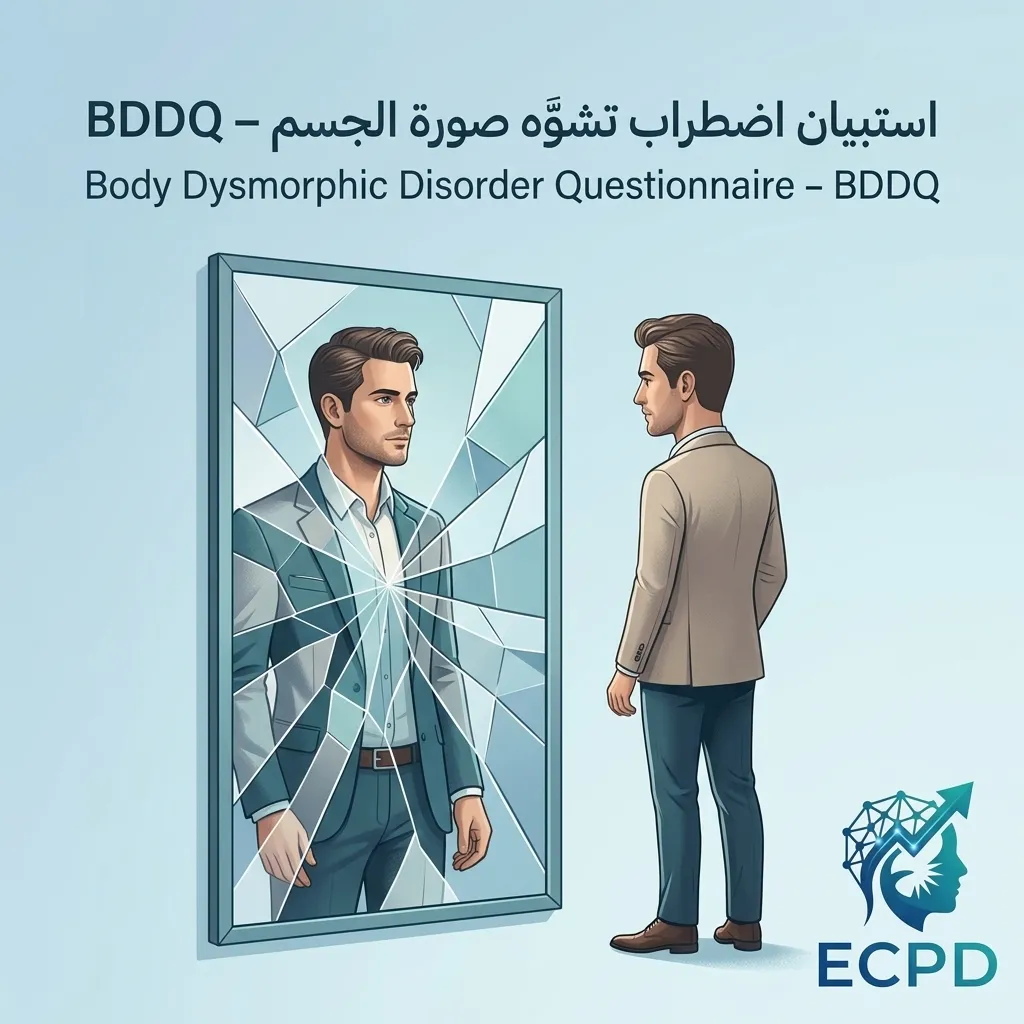
Body Dysmorphic Disorder Questionnaire – BDDQ
A screening tool for assessing symptoms associated with Body Dysmorphic Disorder, including excessive preoccupation with perceived appearance flaws and their impact on daily functioning.
- ✓ Assessment of appearance-related preoccupation
- ✓ evaluation of impact on daily functioning
- ✓ support for psychological and clinical assessment.

Child Behavior Checklist – Parent Report Form (CBCL)
A parent-report assessment tool designed to evaluate a broad range of emotional and behavioral problems in children based on the child’s everyday behavior and functioning.
- ✓ Assessment of emotional and behavioral problems
- ✓ evaluation of adaptive functioning
- ✓ support for psychological and clinical assessment.
Columbia–Suicide Severity Rating Scale (C-SSRS)
The Columbia–Suicide Severity Rating Scale (C-SSRS) is a structured clinical assessment tool designed to identify and evaluate suicidal ideation and suicidal behaviors. It examines the presence, severity, and intensity of suicidal thoughts, as well as suicidal behaviors and previous or recent attempts. The scale helps qualified professionals organize risk-related information, monitor changes over time, and support appropriate clinical decision-making, safety planning, and intervention.
- ✓ Assessment of suicidal ideation and severity
- ✓ Identification of suicidal behaviors and attempts
- ✓ Monitoring changes in risk indicators

Sexual Harassment and Psychological Disorders Assessment Scale in Women
An assessment tool designed to explore the relationship between sexual harassment experiences and potential psychological effects in women. It examines experiences related to harassment and their possible impact on emotional and psychological well-being, including indicators such as anxiety, fear, stress, sadness, sleep disturbances, and reduced feelings of safety and self-confidence. The assessment helps organize and analyze responses to support professionals in understanding psychological needs and identifying appropriate support and intervention areas, while respecting the respondent's privacy and the sensitive nature of the experiences involved.
- ✓ Exploration of sexual harassment experiences
- ✓ Assessment of potential psychological effects
- ✓ Identification of anxiety and stress indicators
Alcohol, Smoking and Substance Involvement Screening Test (ASSIST)
The Alcohol, Smoking and Substance Involvement Screening Test (ASSIST) is a screening and assessment tool developed by the World Health Organization (WHO) to identify patterns of tobacco, alcohol, and other psychoactive substance use and estimate the associated level of risk. It explores the types of substances used, frequency of use, related problems or consequences, and the impact of substance use on an individual's life. The results help professionals determine appropriate next steps, including health education, brief intervention, or referral to specialized treatment services when necessary.
- ✓ Screening for tobacco
- ✓ alcohol
- ✓ and other substance use
Experiences in Close Relationships – Revised Questionnaire (ECR-R)
The Experiences in Close Relationships – Revised Questionnaire (ECR-R) is a psychological assessment tool designed to evaluate adult attachment patterns in romantic and intimate relationships. It measures two primary dimensions: attachment anxiety and attachment avoidance. The questionnaire explores how individuals respond to emotional closeness and intimacy, their sense of security and trust in relationships, concerns about rejection or abandonment, and tendencies to avoid emotional dependence or expressing personal needs. It provides a structured understanding of attachment-related patterns and interpersonal functioning.
- ✓ Assessment of attachment anxiety
- ✓ Assessment of attachment avoidance
- ✓ Exploration of emotional closeness and intimacy
Clinical Outcomes in Routine Evaluation – Outcome Measure (CORE-OM)
The Clinical Outcomes in Routine Evaluation – Outcome Measure (CORE-OM) is a multidimensional psychological assessment tool designed to measure psychological distress and monitor changes in an individual's mental health throughout psychological treatment. It covers four main domains: subjective well-being, problems and symptoms, functioning, and risk to self or others. The measure provides a structured overview of the individual's condition at the beginning of treatment and supports repeated assessment over time to evaluate progress, identify ongoing difficulties, and inform clinical decision-making.
- ✓ Assessment of overall psychological distress
- ✓ Measurement of well-being and psychological symptoms
- ✓ Evaluation of personal and social functioning
Difficulties in Emotion Regulation Scale (DERS)
The Difficulties in Emotion Regulation Scale (DERS) is a psychological assessment tool designed to evaluate difficulties in understanding, accepting, and managing emotional responses. It examines several aspects of emotion regulation, including emotional awareness and clarity, acceptance of emotional responses, impulse control, goal-directed behavior during emotional distress, and access to effective emotion regulation strategies. The scale is used in clinical assessment and research to identify areas of difficulty in emotional functioning and support individualized intervention planning. Different versions are available, so the specific version should be identified before administration and interpretation.
- ✓ Assessment of emotional awareness and clarity
- ✓ Identification of impulse-control difficulties
- ✓ Support for clinical assessment and intervention planning
Wender Utah Rating Scale – 25-Item Version (WURS-25)
The Wender Utah Rating Scale – 25-Item Version (WURS-25) is a self-report assessment tool used to explore symptoms of Attention-Deficit/Hyperactivity Disorder (ADHD) that may have been present during childhood in adults. It asks individuals to recall childhood experiences and behaviors, including difficulties with attention and concentration, hyperactivity, impulsivity, and behavioral or emotional problems. The scale provides retrospective information that may support the clinical assessment of adult ADHD when combined with a clinical interview and developmental history.
- ✓ Retrospective screening of childhood ADHD symptoms
- ✓ Assessment of attention difficulties and hyperactivity
- ✓ Exploration of impulsivity and behavioral indicators
Edinburgh Postnatal Depression Scale (EPDS)
The Edinburgh Postnatal Depression Scale (EPDS) is a brief psychological screening tool used to identify indicators of depression and emotional difficulties during pregnancy and the postnatal period. It consists of items assessing mood and emotional experiences over the previous seven days, including sadness, anxiety, guilt, reduced enjoyment, sleep difficulties associated with emotional distress, and thoughts of self-harm. The scale supports early identification of women who may benefit from further psychological assessment or appropriate support and intervention.
- ✓ Early screening for antenatal and postnatal depression
- ✓ Assessment of mood over the previous seven days
- ✓ Identification of anxiety and emotional distress indicators
Attachment Style Questionnaire – Short Form (ASQ-SF)
The Attachment Style Questionnaire – Short Form (ASQ-SF) is a psychological self-report questionnaire designed to explore an individual's attachment-related beliefs, perceptions, and patterns in interpersonal relationships. It provides insight into experiences involving emotional security, trust, dependence, closeness, and interpersonal autonomy. The questionnaire can support the exploration of attachment-related tendencies and their potential influence on relationship formation, emotional intimacy, and interpersonal functioning. It may be used in psychological assessment and research as a supporting tool for understanding relationship patterns and attachment-related concerns.
- ✓ Exploration of attachment-related patterns
- ✓ Assessment of emotional security and interpersonal trust
- ✓ Support for psychological and relationship assessment

International Personality Item Pool – NEO 120-Item Personality Inventory (IPIP-NEO-120)
The International Personality Item Pool – NEO 120-Item Personality Inventory (IPIP-NEO-120) is a self-report personality assessment based on the Five-Factor Model (Big Five). It evaluates five broad personality domains: Openness to Experience, Conscientiousness, Extraversion, Agreeableness, and Neuroticism. Each domain is further represented by six narrower facets, providing a more detailed profile of individual personality characteristics. The commonly used 120-item version can support personality research, individual assessment, self-understanding, and personal or professional development.
- ✓ Assessment of the Big Five personality domains
- ✓ Evaluation of 30 personality facets
- ✓ Detailed individual personality profiling
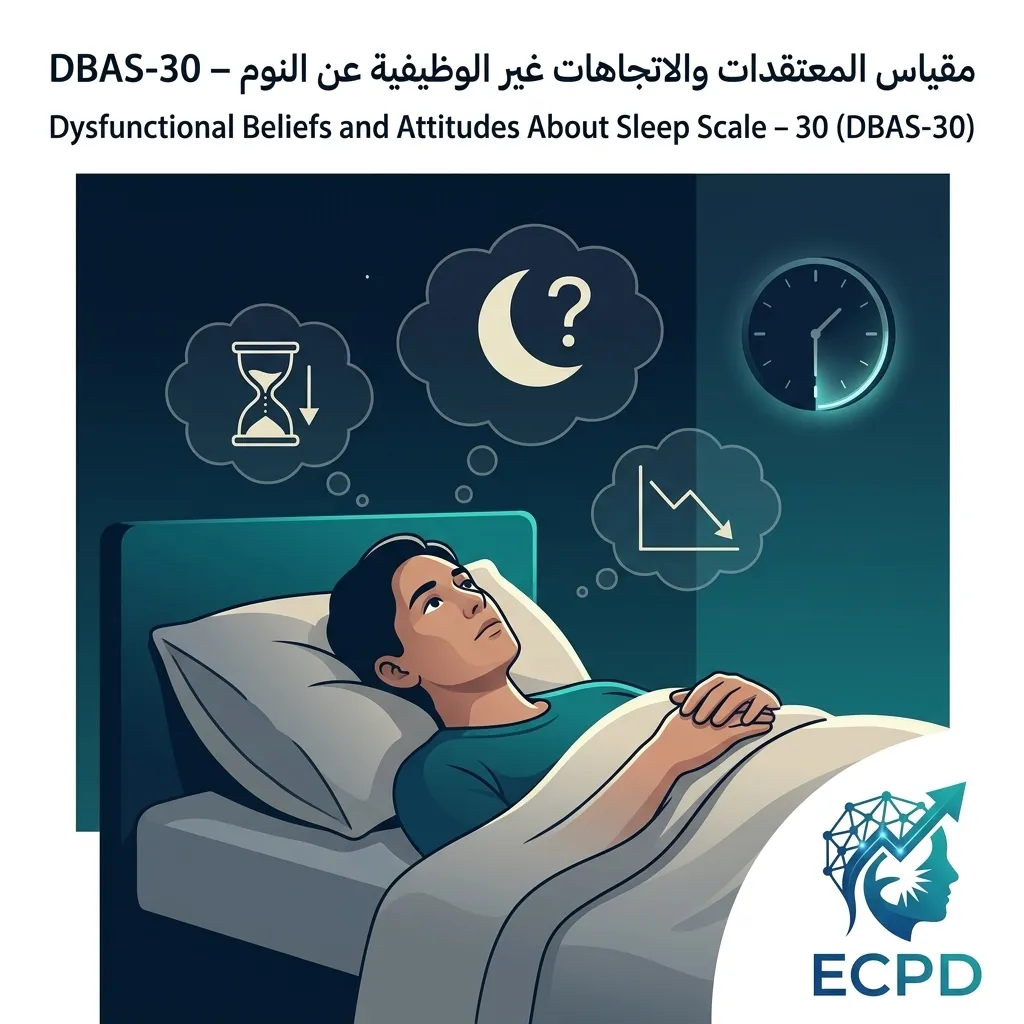
Dysfunctional Beliefs and Attitudes About Sleep Scale – 30 (DBAS-30)
A tool designed to assess dysfunctional beliefs and attitudes about sleep that may contribute to sleep-related anxiety and the persistence of insomnia symptoms.
- ✓ Assessment of sleep-related beliefs
- ✓ identification of dysfunctional thoughts affecting sleep
- ✓ support for psychological and clinical assessment.
Trauma-Related Shame Inventory (TRSI-24)
The Trauma-Related Shame Inventory (TRSI-24) is a psychological assessment measure intended to explore shame experiences associated with traumatic events and their potential impact on self-perception, personal worth, and interpersonal relationships. It may help assess trauma-related negative self-evaluations, feelings of defectiveness, and self-blame associated with distressing experiences. The inventory can support clinical assessment and treatment planning when evaluating the emotional and psychological consequences of trauma.
- ✓ Assessment of trauma-related shame
- ✓ Exploration of self-blame and negative self-evaluation
- ✓ Support for trauma-informed clinical assessment
Test Anxiety Inventory (TAI)
The Test Anxiety Inventory (TAI) is a psychological self-report measure designed to assess an individual's level of anxiety in examination and evaluative situations. It examines cognitive and emotional aspects of test anxiety, including worry about performance and failure, as well as emotional reactions associated with preparing for and taking examinations. The inventory is used in educational settings, psychological assessment, and research to understand how test-related anxiety may affect concentration and academic performance.
- ✓ Assessment of test anxiety levels
- ✓ Exploration of cognitive and emotional anxiety components
- ✓ Support for educational counseling and intervention planning
Sarason Test Anxiety Scale (TAS)
The Sarason Test Anxiety Scale (TAS) is a psychological assessment tool designed to evaluate anxiety experienced in examination and testing situations. Associated with the work of psychologist Irwin G. Sarason, the scale explores test-related concerns such as worry about performance, fear of failure, emotional tension, and difficulties with concentration and retrieving information during examinations. It can support educational and psychological assessment by helping professionals understand how test anxiety may affect academic performance and identify individuals who may benefit from appropriate support.
- ✓ Assessment of examination-related anxiety
- ✓ Exploration of performance worries and fear of failure
- ✓ Support for educational counseling and student interventions
Separation Anxiety Disorder Severity Measure – Child Age 11–17 (DSM-5)
The Separation Anxiety Disorder Severity Measure – Child Age 11–17 is a DSM-5-based assessment tool designed to evaluate the severity of separation anxiety symptoms in children and adolescents aged 11 to 17 years. It assesses anxiety-related experiences associated with separation from parents or other important attachment figures, including fears of harm or loss, distress about being away from home or loved ones, and difficulties tolerating separation. The measure can support clinical assessment, symptom severity evaluation, and monitoring of changes over time. Results should be considered alongside developmental, family, and school-related factors.
- ✓ Assessment of separation anxiety severity in ages 11–17
- ✓ Evaluation of fears and distress related to separation
- ✓ Support for clinical assessment and symptom monitoring
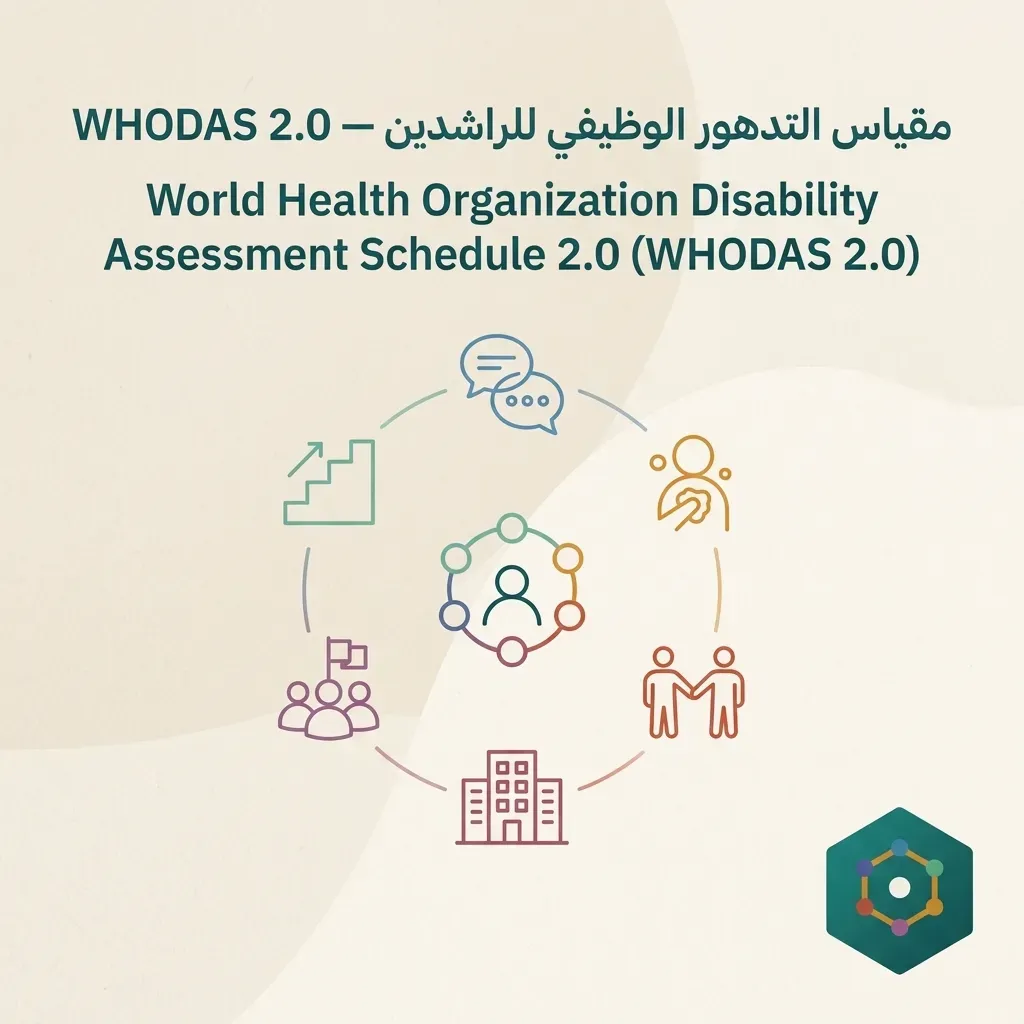
World Health Organization Disability Assessment Schedule 2.0 (WHODAS 2.0)
A comprehensive assessment tool for evaluating functioning and disability across multiple areas of life, including understanding and communicating, mobility, self-care, getting along with people, life activities, and participation in society.
- ✓ Assessment of functioning and disability
- ✓ measurement of difficulties across different life domains
- ✓ support for clinical assessment and monitoring of functional changes
Borderline Personality Traits Scale — DSM-5-TR · PID-5
An assessment tool for evaluating personality traits associated with the borderline pattern within the DSM-5-TR dimensional framework of pathological personality traits, supporting the exploration of related emotional, behavioral, and interpersonal characteristics.
- ✓ Assessment of borderline-related personality traits
- ✓ exploration of emotional behavioral and personality characteristics
- ✓ support for specialized clinical assessment
Maladaptive Schemas Scale (MSS)
The Maladaptive Schemas Scale (MSS) is a psychological assessment tool intended to explore maladaptive cognitive and emotional patterns that may influence how individuals perceive themselves, others, and the world around them. It focuses on identifying persistent beliefs and patterns of thinking, feeling, and behaving that may be associated with early life experiences and recurring interpersonal difficulties. The scale may support psychological assessment and clinical formulation within cognitive and schema-focused therapeutic approaches, helping identify patterns that may benefit from further exploration and intervention.
- ✓ Exploration of maladaptive cognitive and emotional schemas
- ✓ Identification of recurring thought and behavior patterns
- ✓ Support for schema-focused clinical assessment

Mini-Mental State Examination (MMSE)
A standardized clinical screening tool for the rapid assessment of basic cognitive functions, including orientation, attention and concentration, memory, calculation, language, comprehension and following commands, and visuospatial abilities. It is administered individually by a trained examiner, who records responses and calculates the total score to estimate the individual's level of cognitive performance.
- ✓ Rapid screening of basic cognitive functions
- ✓ assessment of orientation attention and memory
- ✓ assessment of language comprehension and calculation
Digital Mental Status Examination — MSE
An interactive digital program for conducting the Mental Status Examination (MSE), helping psychologists and physicians systematically assess the individual's current clinical mental state across 16 clinical domains, with an automated comprehensive report including visual charts and clinical interpretation for each domain.
- ✓ Assessment of 16 clinical domains
- ✓ interactive digital Mental Status Examination
- ✓ comprehensive automated clinical report
Beck Depression Inventory (BDI)
A clinical assessment tool for evaluating the severity of depressive symptoms in adolescents and adults, covering emotional, cognitive, and physical manifestations associated with depression. The inventory supports symptom severity assessment and monitoring of changes over time.
- ✓ Assessment of depressive symptom severity
- ✓ evaluation of emotional cognitive and physical symptoms
- ✓ support for clinical assessment
Wender-Reimherr Adult Attention Deficit Disorder Scale – Self-Report Version (SR-WRAADDS)
The Wender-Reimherr Adult Attention Deficit Disorder Scale – Self-Report Version (SR-WRAADDS) is a self-report assessment tool designed to explore symptoms of Attention-Deficit/Hyperactivity Disorder (ADHD) in adults. It focuses on a broader range of psychological and behavioral features beyond traditional attention and hyperactivity symptoms, including attention and organizational difficulties, hyperactivity, impulsivity, emotional regulation, mood-related features, temper, and behavioral control. The scale helps provide a broader understanding of symptom patterns and their potential impact on daily, personal, social, and occupational functioning.
- ✓ Assessment of adult ADHD symptoms
- ✓ Exploration of attention and organizational difficulties
- ✓ Evaluation of impulsivity and emotional regulation
Eating Disorder Examination Questionnaire – EDE-Q 6.0
A self-report assessment tool for evaluating eating disorder behaviors, thoughts, and feelings, with a focus on weight, shape concerns, and control over eating.
- ✓ Assessment of eating-disorder-related behaviors
- ✓ evaluation of weight and shape concerns
- ✓ support for psychological and clinical assessment.
Generalized Anxiety Disorder 7-Item Scale – GAD-7
A brief screening tool for assessing generalized anxiety symptoms over the recent period and estimating their severity and potential impact on daily functioning.
- ✓ Screening for generalized anxiety symptoms
- ✓ assessment of anxiety severity
- ✓ support for psychological and clinical assessment.
Hospital Anxiety and Depression Scale (HADS)
A brief screening tool for assessing symptoms of anxiety and depression, particularly in medical and clinical settings, with an emphasis on psychological symptoms while minimizing the influence of physical symptoms.
- ✓ Screening for anxiety and depression symptoms
- ✓ suitable for medical and clinical settings
- ✓ supports symptom severity assessment and monitoring
Hoarding Rating Scale (HRS)
A brief screening tool for assessing the severity of hoarding symptoms, including difficulty discarding possessions, excessive accumulation, and the impact of these difficulties on daily functioning.
- ✓ Screening for hoarding symptoms
- ✓ assessment of difficulty discarding possessions
- ✓ support for clinical evaluation of hoarding
Liebowitz Social Anxiety Scale (LSAS)
A clinical assessment tool for evaluating the severity of fear, anxiety, and avoidance across social and performance situations, and their potential impact on daily functioning.
- ✓ Assessment of anxiety in social situations
- ✓ measurement of social and performance avoidance
- ✓ support for clinical evaluation of social anxiety

Massachusetts General Hospital Hairpulling Scale (MGH-HPS)
A brief assessment tool for evaluating the severity of hair-pulling behavior, including its frequency, perceived control, and associated psychological distress.
- ✓ Assessment of hair-pulling severity
- ✓ evaluation of behavior frequency and perceived control
- ✓ support for clinical assessment of hair-pulling symptoms
Multidimensional Inventory of Dissociation (MID 6.0)
A comprehensive assessment tool for evaluating a broad range of dissociative symptoms, including disturbances in memory, awareness, identity, and perception, and for identifying dissociative patterns requiring further clinical evaluation.
- ✓ Assessment of multiple dissociative symptoms
- ✓ identification of dissociative patterns and related symptoms
- ✓ support for comprehensive clinical evaluation
PTSD Checklist for DSM-5 (PCL-5)
A tool for assessing the severity of post-traumatic stress symptoms related to a traumatic event, based on DSM-5 criteria, including re-experiencing, avoidance, negative changes in cognition and mood, and arousal and reactivity symptoms.
- ✓ Assessment of PTSD symptoms
- ✓ measurement of trauma-related symptom severity
- ✓ support for clinical assessment and symptom monitoring
Panic Disorder Severity Scale – Self-Report (PDSS-SR)
A self-report tool designed to assess the severity of panic disorder symptoms, including panic attacks, anticipatory anxiety, avoidance, and the impact of symptoms on daily functioning.
- ✓ Assessment of panic symptom severity
- ✓ measurement of avoidance and anticipatory anxiety
- ✓ support for monitoring symptom changes over time
Specific Phobia Questionnaire (SPQ)
A screening tool for assessing specific phobia symptoms, including fear, anxiety, and avoidance related to particular objects or situations, and their potential impact on daily functioning.
- ✓ Screening for specific phobia symptoms
- ✓ assessment of stimulus-related fear and avoidance
- ✓ support for clinical evaluation of phobia
Yale-Brown Obsessive Compulsive Scale (Y-BOCS)
A clinical assessment tool for evaluating the severity of obsessive-compulsive symptoms, focusing on time consumption, interference, distress, and difficulty controlling obsessions and compulsions.
- ✓ Assessment of obsessive-compulsive symptom severity
- ✓ evaluation of the impact of obsessions and compulsions
- ✓ support for clinical assessment and symptom monitoring
Young Mania Rating Scale (YMRS)
A clinical assessment tool for evaluating the severity of manic symptoms, including elevated mood, increased activity and energy, reduced sleep, irritability, and accelerated thinking and speech.
- ✓ Assessment of manic symptom severity
- ✓ measurement of changes in mood activity and behavior
- ✓ support for clinical assessment and symptom monitoring
Positive and Negative Syndrome Scale (PANSS)
A comprehensive clinical assessment tool for evaluating the severity of symptoms associated with psychotic disorders, focusing on positive symptoms, negative symptoms, and general psychopathology.
- ✓ Assessment of positive and negative symptoms
- ✓ evaluation of general psychopathology
- ✓ support for clinical assessment and monitoring of changes
Gender Identity/Gender Dysphoria Questionnaire for Adolescents and Adults (GIDYQ-AA)
A self-report assessment tool for evaluating indicators related to gender identity and gender dysphoria in adolescents and adults, including experiences and feelings concerning identity, appearance, and gender role.
- ✓ Assessment of gender identity and gender dysphoria indicators
- ✓ exploration of identity-related experiences and feelings
- ✓ support for specialized psychological assessment
Alcohol Use Disorders Identification Test (AUDIT)
A validated screening tool for assessing alcohol use patterns and related risks, including indicators of hazardous or harmful drinking, and identifying individuals who may benefit from further assessment or professional intervention.
- ✓ Screening of alcohol use patterns
- ✓ assessment of hazardous or harmful drinking risk
- ✓ support for clinical assessment and early intervention
Drug Abuse Screening Test – 10 Items (DAST-10)
A brief screening tool for assessing indicators of problems related to drug or non-alcohol substance use and identifying the potential need for further professional assessment.
- ✓ Screening for substance use problems
- ✓ assessment of substance-related risk
- ✓ support for early identification and clinical assessment
Structured Clinical Interview for DSM-5 Personality Disorders (SCID-5-PD)
A structured clinical interview designed to assess personality disorders according to DSM-5 criteria, helping clinicians systematically evaluate personality patterns, symptoms, and traits associated with personality disorders.
- ✓ Assessment of personality disorders based on DSM-5 criteria
- ✓ systematic evaluation of personality patterns and traits
- ✓ support for clinical assessment and differential diagnosis
Narcissistic Personality Inventory – 40 (NPI-40)
An assessment tool for evaluating narcissistic personality traits in adults, including characteristics such as feelings of superiority, entitlement, need for admiration, and concern with status and social recognition.
- ✓ Assessment of narcissistic personality traits
- ✓ exploration of superiority entitlement and need for admiration
- ✓ support for psychological and clinical assessment
Social Anxiety 3-Dimensional Scale (SA3D)
A psychological assessment tool designed to explore fear and anxiety associated with social situations through a multidimensional approach. It supports understanding the nature of social fears and their potential impact on interpersonal interactions and functioning in different social contexts, helping organize psychological assessment and identify areas that may require further clinical exploration.
- ✓ Assessment of fear and anxiety in social situations
- ✓ exploration of social anxiety dimensions
- ✓ evaluation of anxiety-related effects on interpersonal interactions
Generalized Anxiety Disorder 7-Item Scale (GAD-7)
A brief psychological screening tool used to assess the severity of anxiety symptoms, particularly those associated with Generalized Anxiety Disorder. The scale consists of seven items that evaluate the frequency of anxiety symptoms over the previous two weeks, providing an initial indicator that can support psychological assessment and monitoring of symptom severity over time.
- ✓ Screening for generalized anxiety symptoms
- ✓ assessment of anxiety severity over the previous two weeks
- ✓ quick and easy administration

Patient Health Questionnaire – Eating Disorders (PHQ-ED)
A psychological screening tool designed to identify indicators of eating disorders and related behaviors and help determine when further professional assessment may be needed. It supports the initial screening of concerns related to eating habits, body image, and potentially unhealthy eating behaviors, helping clinicians identify areas requiring further clinical investigation.
- ✓ Screening for indicators of eating disorders
- ✓ exploration of potentially unhealthy eating behaviors
- ✓ identification of the need for specialized assessment
Davidson Trauma Scale (DTS) – DSM-IV
A psychological assessment tool designed to measure the frequency and severity of symptoms associated with Post-Traumatic Stress Disorder (PTSD), based on the diagnostic criteria of the Diagnostic and Statistical Manual of Mental Disorders, Fourth Edition (DSM-IV). The scale helps assess trauma-related symptoms, explore their psychological impact, and provide information that may support clinical evaluation and symptom monitoring over time.
- ✓ Assessment of PTSD symptom frequency
- ✓ measurement of trauma-related symptom severity
- ✓ support for clinical evaluation of PTSD
Hospital Anxiety and Depression Scale (HADS)
A psychological screening tool used to assess symptoms of anxiety and depression, particularly in medical and hospital settings. The scale consists of 14 items divided into two subscales: anxiety and depression, with seven items for each. It helps estimate emotional symptom severity while minimizing emphasis on physical symptoms that may overlap with medical conditions.
- ✓ Assessment of anxiety and depression symptoms
- ✓ separate evaluation of two psychological dimensions
- ✓ 14 items across two subscales
Taylor Manifest Anxiety Scale (TMAS)
A psychological assessment tool designed to measure manifest anxiety and explore indicators of psychological tension and anxiety as reported by the individual. The scale helps provide an initial picture of anxiety levels and individual differences in responses to stressful situations and may support psychological assessment, research, and symptom monitoring as part of a comprehensive evaluation.
- ✓ Assessment of manifest anxiety
- ✓ exploration of psychological tension and anxiety indicators
- ✓ understanding individual differences in stress responses